Linguamoralt · Intensivsprach- und Kulturprogramm
Learn German
An 11-week in-person intensive language and culture program. 2027 cohorts in Mannheim, Dudelange, Lucerne, and Innsbruck.
About the program
Linguamoralt offers an on-the-ground German immersion for international students. Instruction and cultural work take place in one European city for eleven weeks.
Applicants create a personal account, choose a 2027 cohort, complete an A1/A2 placement test, and then move through registration, seat confirmation, and arrival preparation. German proficiency at A1 or A2, or higher, is required before arrival; the placement test confirms the level.
The program fee is €2,000. Application and registration fees total €275. Accommodation is optional and billed separately.
Locations & 2027 dates
Choose one city when you create your account. Open a location for notes on language practice, local integration, and lawful work pathways after the program.
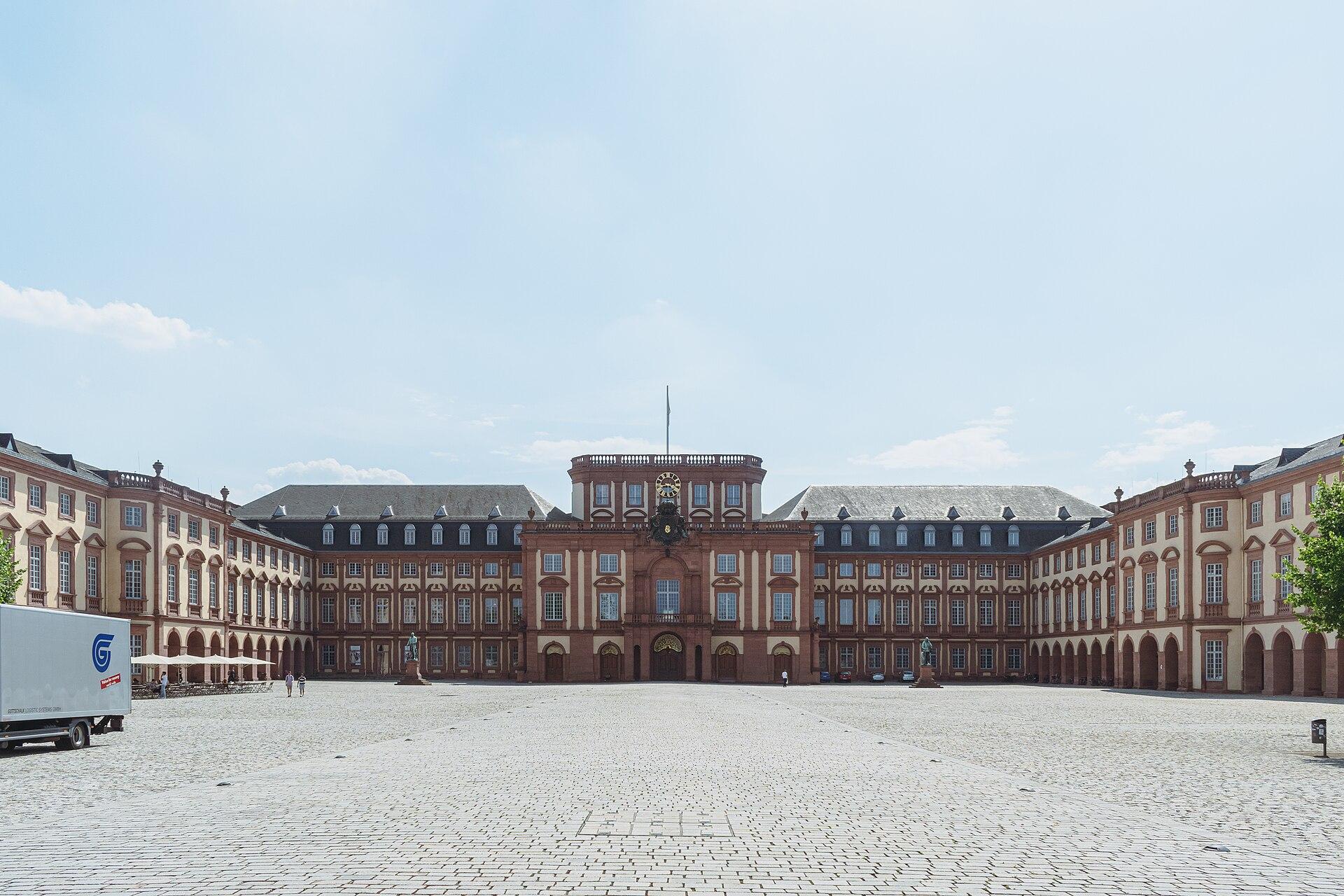
Germany
Mannheim
Feb 8 – Apr 30, 2027
Rhine industry, universities, and everyday German at street level.
Details
Germany
Mannheim
Feb 8 – Apr 30, 2027
Rhine industry, universities, and everyday German at street level.
Why German here matters
Mannheim sits in a busy Rhine corridor where offices, clinics, logistics, and classrooms run on German first. Daily errands, Amt visits, and course life push you from textbook German into usable language quickly.
Integration on the ground
You practise appointments, housing talk, and neighbour conversations in a mid-size city that is easier to navigate than a megacity. Local rhythm helps you build routines that stick after the program.
Lawful work pathways
Stronger German supports later applications for recognised jobs, vocational tracks, and employer-sponsored routes under German immigration law. Language alone does not grant a residence title, but it is often required for interviews, contracts, and long-term stay.
Language readiness supports lawful job search and residence applications. It does not replace embassy decisions, work permits, or employer contracts. Photo · Wikimedia Commons · CC BY 4.0 · Mannheim Palace
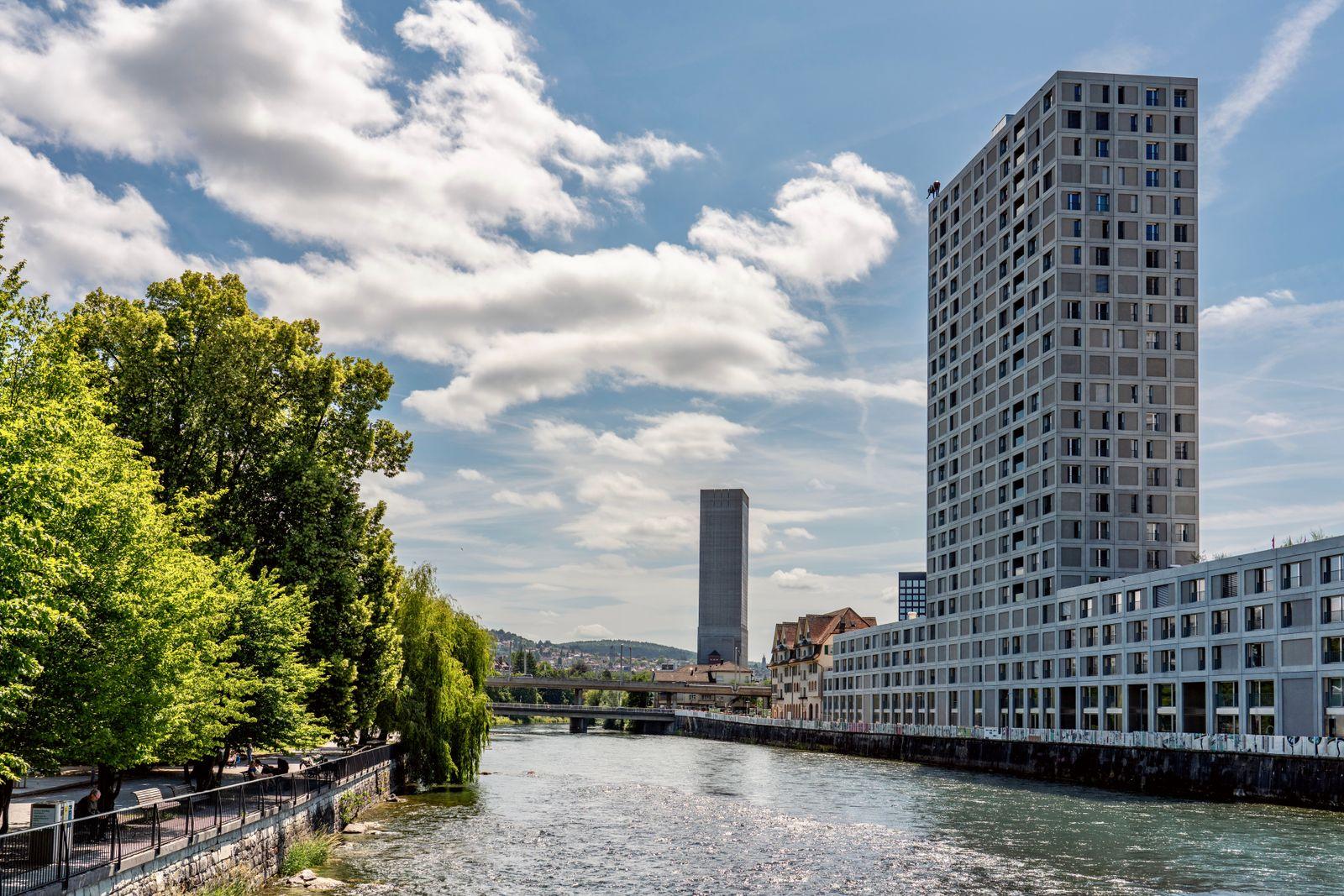
Luxembourg
Dudelange
Mar 8 – May 28, 2027
A multilingual border city with German in daily life and cross-border work.
Details
Luxembourg
Dudelange
Mar 8 – May 28, 2027
A multilingual border city with German in daily life and cross-border work.
Why German here matters
Luxembourg mixes languages, yet German still opens shops, services, and many workplaces near the German border. Learning German here trains you to switch registers carefully and listen well in mixed teams.
Integration on the ground
Dudelange offers a calmer base than capital centres, with room to practise German while you meet French and Luxembourgish in public life. That mix mirrors real European workplaces.
Lawful work pathways
German plus local networks can help you compete for roles that ask for German with partners in Germany, Luxembourg, or the Greater Region. Any move into employment must follow the country’s legal residence and work-permit rules.
Language readiness supports lawful job search and residence applications. It does not replace embassy decisions, work permits, or employer contracts. Photo · Pexels
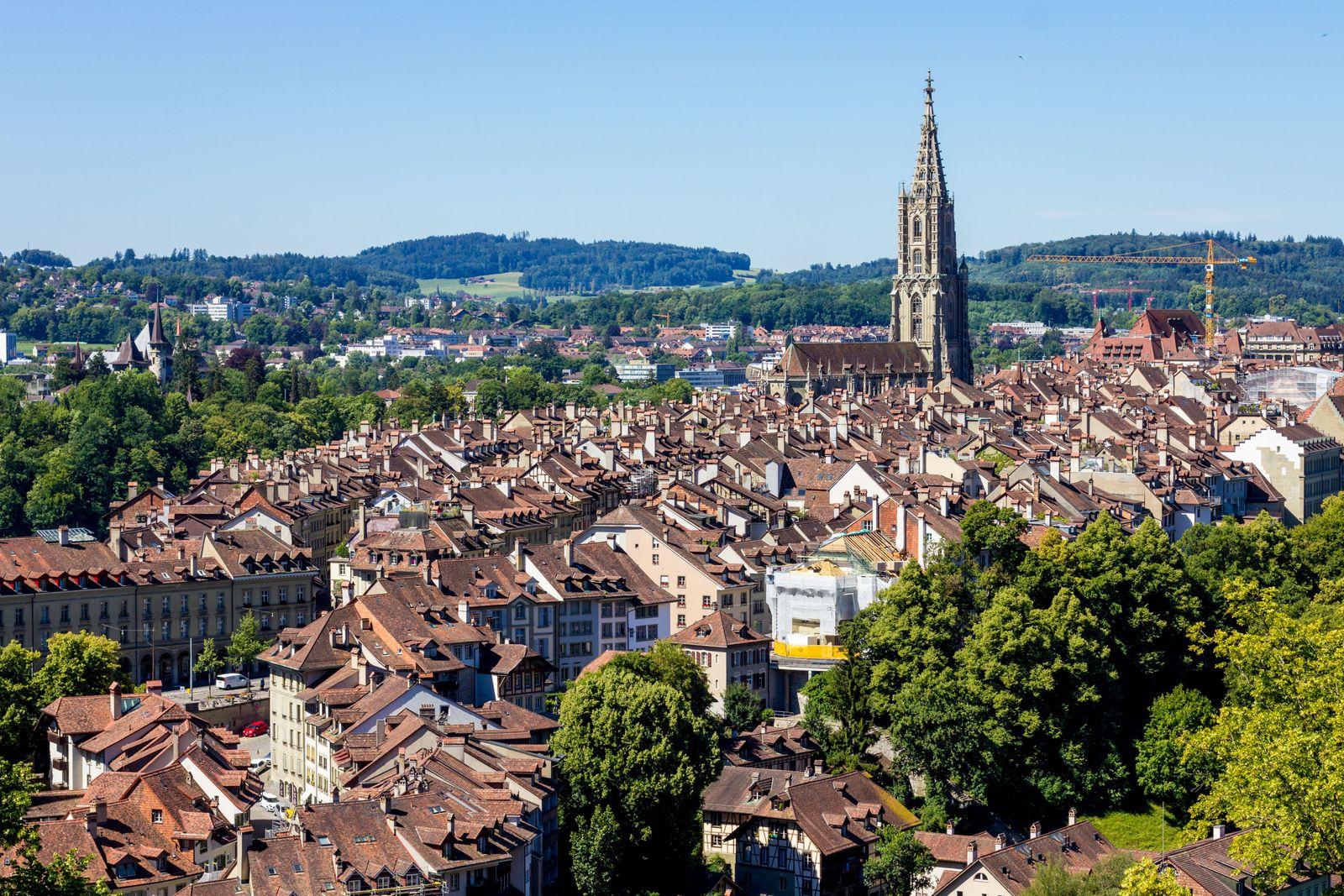
Switzerland
Lucerne
Apr 5 – Jun 25, 2027
Swiss German settings, tourism, and precise everyday communication.
Details
Switzerland
Lucerne
Apr 5 – Jun 25, 2027
Swiss German settings, tourism, and precise everyday communication.
Why German here matters
In German-speaking Switzerland, Standard German opens schools, offices, and public services, while local speech fills cafés and shifts. Immersion here trains both clarity and listening stamina.
Integration on the ground
Lucerne’s scale lets you greet the same people weekly, join course life, and practise polite Swiss formality. Those habits matter for housing, volunteering, and first work contacts.
Lawful work pathways
Swiss employers often expect solid German for customer-facing and administrative roles. Residence and work rights are separate legal steps; language readiness is one piece of a complete, lawful application.
Language readiness supports lawful job search and residence applications. It does not replace embassy decisions, work permits, or employer contracts. Photo · Pexels
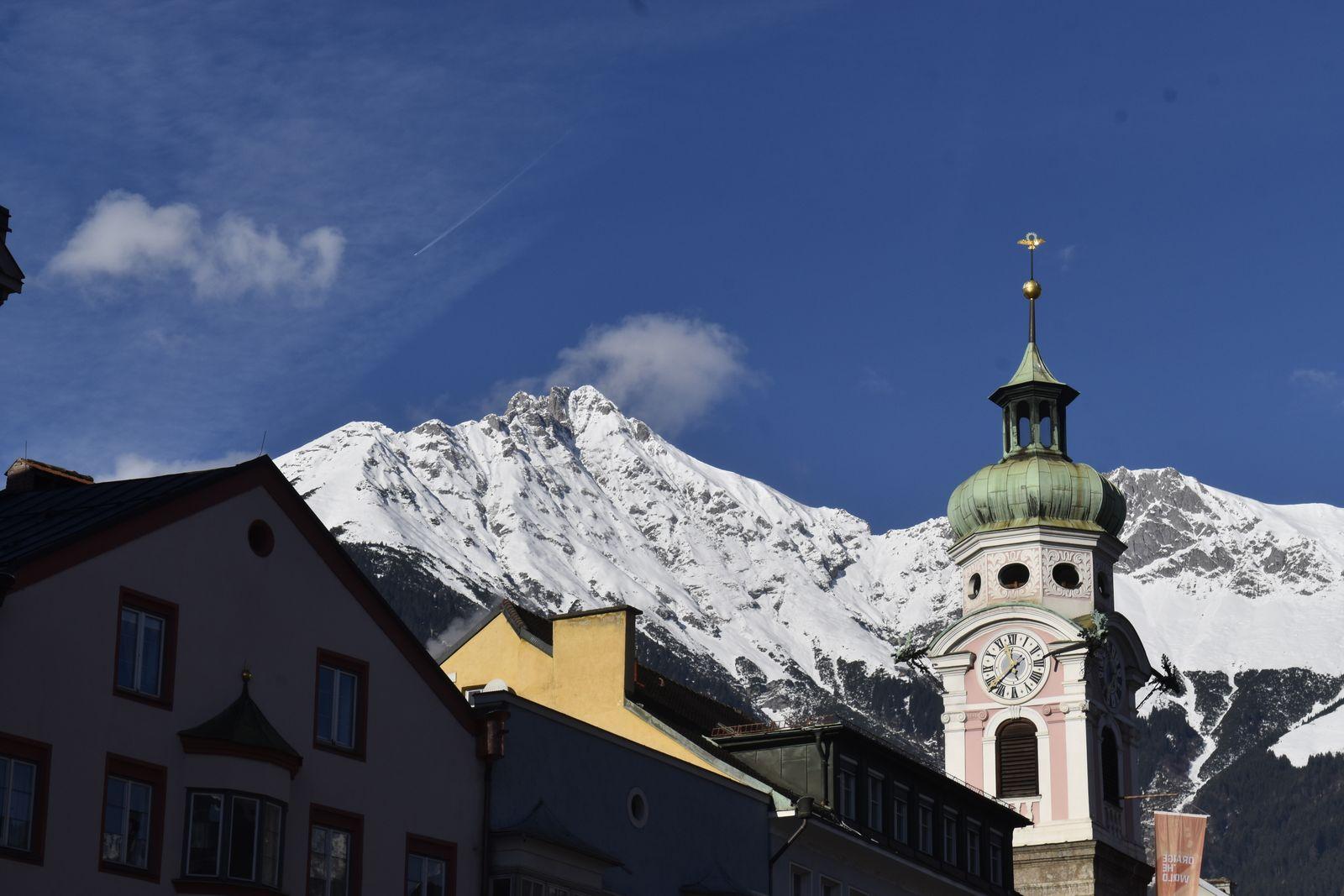
Austria
Innsbruck
May 3 – Jul 23, 2027
Alpine Austria, university life, and clear German for service and care work.
Details
Austria
Innsbruck
May 3 – Jul 23, 2027
Alpine Austria, university life, and clear German for service and care work.
Why German here matters
Innsbruck runs on Austrian Standard German in Amt, campus, clinics, and hospitality. Eleven weeks here build vocabulary for mountains, seasons, and the service economy that surrounds them.
Integration on the ground
A compact city against the Alps makes community visible: classmates, landlords, shop staff, and course mentors. You practise belonging in German before you apply for longer stays.
Lawful work pathways
German supports later entry into tourism, care, logistics, and skilled roles that Austria regulates by permit type. Linguamoralt prepares language and documents; employers and authorities decide any legal work status.
Language readiness supports lawful job search and residence applications. It does not replace embassy decisions, work permits, or employer contracts. Photo · Pexels
Fees
Program fee €2,000, plus €275 in application and registration fees. Optional accommodation is billed separately.
| Stage | Fee | Notes |
|---|---|---|
| Online Application & German Placement Test | €25 | Non-refundable |
| Registration & Visa Compliance Guidance | €250 | Non-refundable |
| Seat Confirmation & Embassy Invitation Packet | €600 | 30% deposit, credited toward the €2,000 program fee |
| Final Balance & Arrival Preparation | €1,400 | 70% balance, due after visa approval and at least 14 days before the start |
Fees are non-refundable. On request, Linguamoralt support may carry fees forward to a later cohort. Visa refusals are reviewed individually when you present the official refusal notice (Ablehnungsbescheid).
Every application and every payment is for one person. Registered agencies may refer students. They cannot pay, and they cannot apply, under one shared account.
Admissions
Create an account with your email, choose a 2027 cohort, and pay the €25 application fee to open the placement test. After a pass at A1 or higher, registration (€250) reserves your seat and opens visa-compliance guidance.
Seat confirmation (€600) issues the embassy enrollment letter (Anmeldebestätigung) and, if requested, an accommodation offer. The final balance (€1,400) is due after visa approval and at least 14 days before the cohort starts.
FAQ
- Who is the program for?
- International students who want an in-person German immersion of eleven weeks in Europe, with German already at A1 or A2, or higher. Many applicants begin from Africa.
- How do fees work?
- You pay stage by stage: €25 for the placement test, €250 for registration, €600 as a deposit credited to the €2,000 program fee, then €1,400 after visa approval and at least 14 days before the start. Fees are non-refundable and may be carried forward to a later cohort on request.
- Is accommodation included?
- No. Accommodation is optional and billed separately. If you request it at sign-up, an offer letter can be prepared with seat confirmation.
- What if a visa is refused?
- Support reviews visa-refusal cases individually when you present the official refusal notice (Ablehnungsbescheid).
- Can an agency apply for several students under one account?
- No. Every application and payment is for one person. Registered agencies may refer students. They cannot pay or apply under a shared account.